

ABOUT WABHPC
The Washington Behavioral Health Professions Coalition (WABHPC) is a statewide coalition of professional associations and allied partners working together to strengthen the behavioral health workforce, improve access to quality care, and advance effective public policy.

OUR MISSION
To unite behavioral health professions around shared policy priorities that improve access to care, strengthen the workforce, and support high-quality services for Washington communities.

OUR VISION
A Washington where behavioral health professions are aligned, trusted, and influential in shaping an accessible, effective, and sustainable behavioral health system.
Why We Exist
Washington’s behavioral health system contains tremendous expertise, leadership, and commitment. Yet many organizations often pursue similar goals independently despite substantial overlap in priorities and challenges.
WABHPC exists to strengthen alignment across professions, foster collaboration, and create a stronger foundation for collective leadership and long-term impact.
A Shared Commitment
Behavioral health professionals enter this work because they believe in healing, dignity, connection, and the power of community.
Yet many professionals increasingly find themselves navigating workforce pressures, growing demand for services, policy challenges, and system complexity in relative isolation.
At its core, WABHPC reflects a simple belief: the future of behavioral health is stronger when professions learn from one another, support one another, and lead together.
Our Principles
Collaboration over competition
Shared leadership
Professional excellence
Workforce sustainability
Respect for professional diversity
Evidence-informed policy
Public protection
Meet Our Leadership

London A. Breedlove, PsyD, MHA
President
Dr. London Breedlove (they/them) is a licensed psychologist and health care administrator serving as Director of Professional Affairs and Policy at the Washington State Psychological Association. Their work focuses on behavioral health policy, reimbursement and payment reform, workforce sustainability, access to care, and behavioral health systems reform.
Dr. Breedlove has been active in statewide and national psychology leadership since 2018, including service as WSPA Board Trustee, Board President, and Council Representative to the American Psychological Association. They currently serve as Chair-Elect of APA’s Advocacy Coordinating Committee, helping guide national advocacy strategy related to behavioral health access, reimbursement, workforce sustainability, and health equity. In 2025, they received the Karl F. Heiser APA Presidential Award for Advocacy.
In addition to their policy and leadership work, Dr. Breedlove has more than a decade of experience in integrated behavioral health across primary care, specialty treatment, academic, and community-based settings. They previously served as Associate Clinical Professor and Director of Integrated Behavioral Health in the Department of Family Medicine at the University of Washington.
Dr. Breedlove co-founded WABHPC to strengthen collaboration across behavioral health professions and support a coordinated voice on workforce sustainability, access to care, reimbursement reform, and behavioral health systems policy.

Shannon Thompson, LMHC, CMHS, NCC
Treasurer
Shannon is a Licensed Mental Health Counselor (LMHC) and Child Mental Health Specialist (CMHS). She earned her Master's degree in Mental Health Counseling from Argosy University in 2006 and spent several years working in community mental health before opening her private practice in 2013. Throughout her career, her primary focus has been serving children, adolescents, and their families.
Shannon has been an active leader with the Washington Mental Health Counselors Association (WMHCA) since 2016. She began as a volunteer and Workshop Chair before serving as Education and Advocacy Director, where she led continuing education initiatives and legislative advocacy efforts on behalf of Washington's mental health counselors. She now serves as Executive Director of WMHCA, overseeing the association's operations, professional development programming, and advocacy efforts to advance the counseling profession and improve access to quality mental health care throughout the state.
In addition to her work with WMHCA, Shannon served on the board for the American Mental Health Counselors Association (AMHCA), collaborating with national leaders to advance the mental health counseling profession through advocacy, education, and professional standards
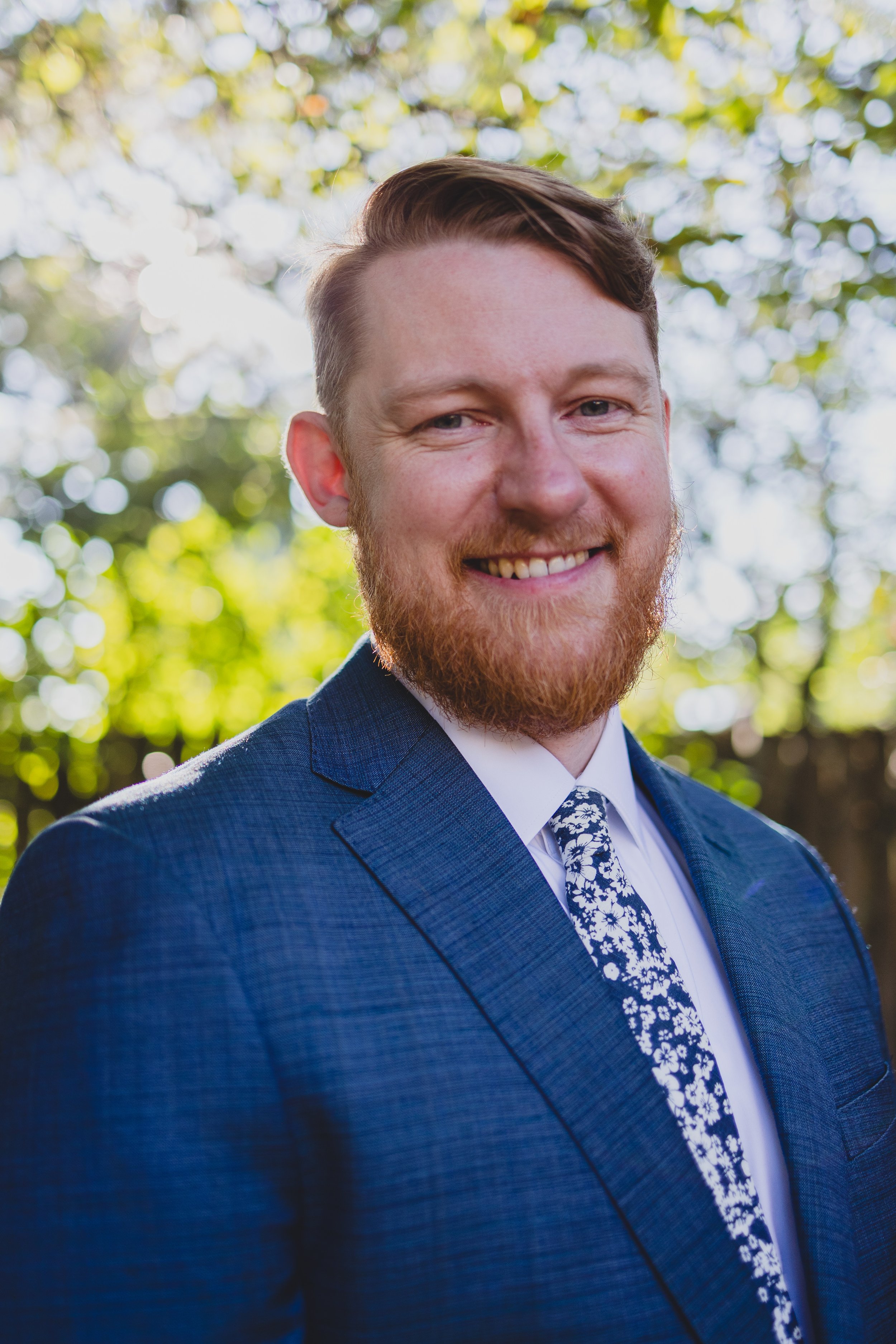
Ben Packard, MSW, LICSW
Secretary
Ben is a Licensed Independent Clinical Social Worker who graduated from the University of Washington School of Social Work in 2015. Ben worked as a child welfare social worker for Washington's Department of Social and Health Services, and then as a mental health therapist on the Psychiatry and Behavioral Medicine Unit at Seattle Children's Hospital. Ben is on the faculty of UW's School of Social Work and School of Family Medicine. Ben serves as the Legislative Chair of the Washington State Society for Clinical Social Work, overseeing the Society's efforts to manifest just and equitable change in public policy in Washington State.
Ben works in his private practice, Packard Counseling, treating children, teens, families, and adults. He specializes in treating people with challenging behavioral problems, including suicidal ideation, aggressive and disruptive behavior, anxiety, depression, trauma, and sexual behavior problems.
Ben is a second-generation mental health clinician, gardener, baker, and volunteer climbing instructor with the Mountaineer's. When he is not working or playing, he can be found reading on the couch with his dog, Otis.
Looking Ahead

Behavioral health professions have a shared responsibility to help shape a system that is accessible, effective, sustainable, and trusted by Washington communities.
WABHPC builds the relationships and leadership capacity to support that future and strengthen the role of behavioral health professions in policy.
The coalition is composed primarily of behavioral health professional associations and may collaborate with allied partners whose work supports its mission and shared objectives.